
Fintech & Corporate Benefits
UDS / FinStack
From a benefits app to a whitelabel framework.
The challenge
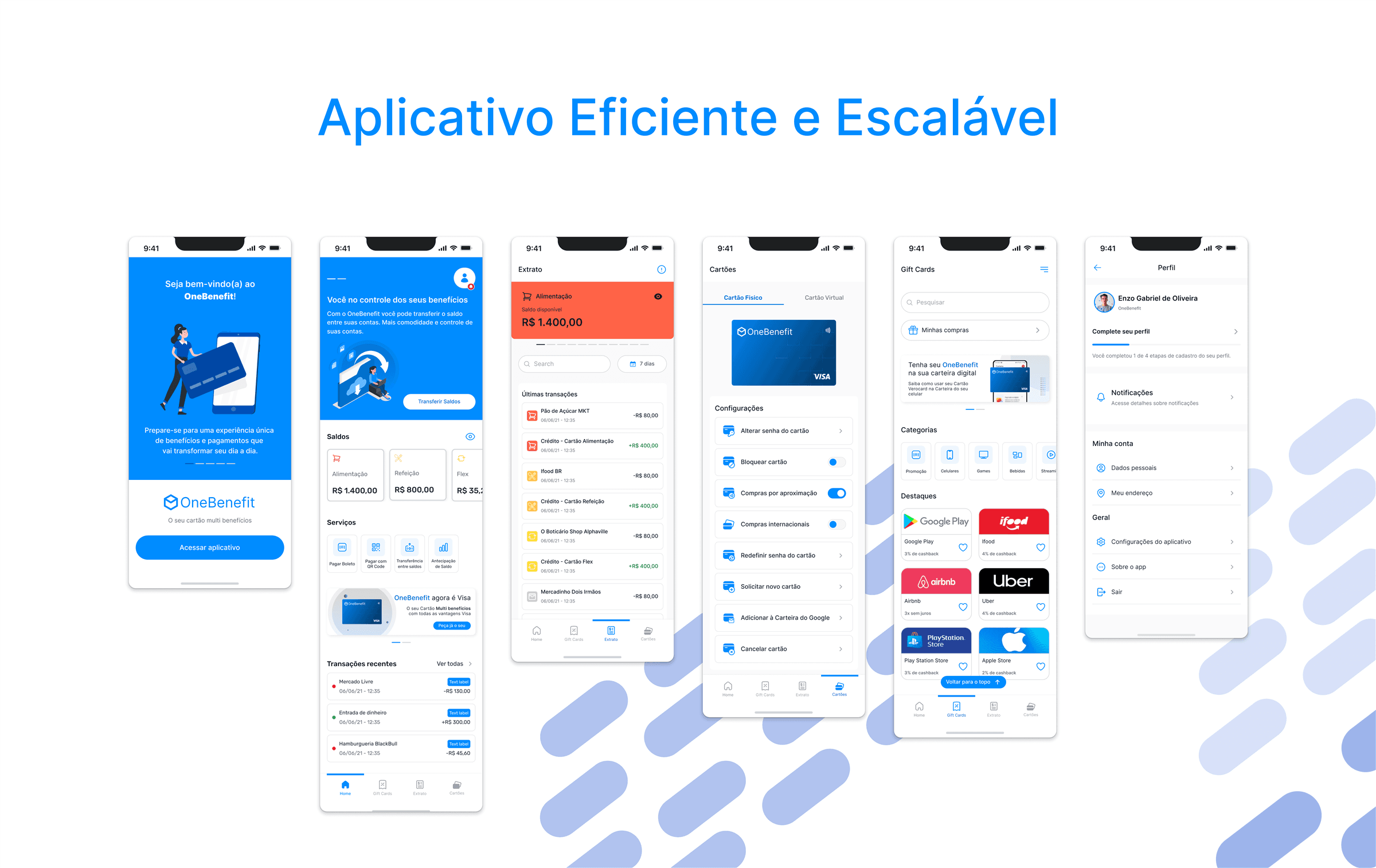
Corporate benefits, such as meal vouchers, food vouchers, and partner discounts, is a competitive space that demands scalable digital solutions. The challenge was turning an app already in production, originally built for Verocard, into a whitelabel product: fast to customize for new clients, backed by a full management backoffice, without losing visual consistency or experience quality across different brands.
The process
- Benchmarking and analysis of the existing base: I started from Verocard's app, mapping user journeys, strengths, and what could become a standard versus what needed to stay client-specific.
- Visual de-branding: I rethought the screens into a neutral interface ready to absorb brand variations (color, font, logo), backed by a modular design system built on reusable components.
- Building the whitelabel: I defined base components (buttons, inputs, lists, dashboards) and design tokens to keep flexibility without losing consistency.
- Integration with development: I aligned the design to the component syntax the engineering team already used, cutting rework and speeding up handoff.
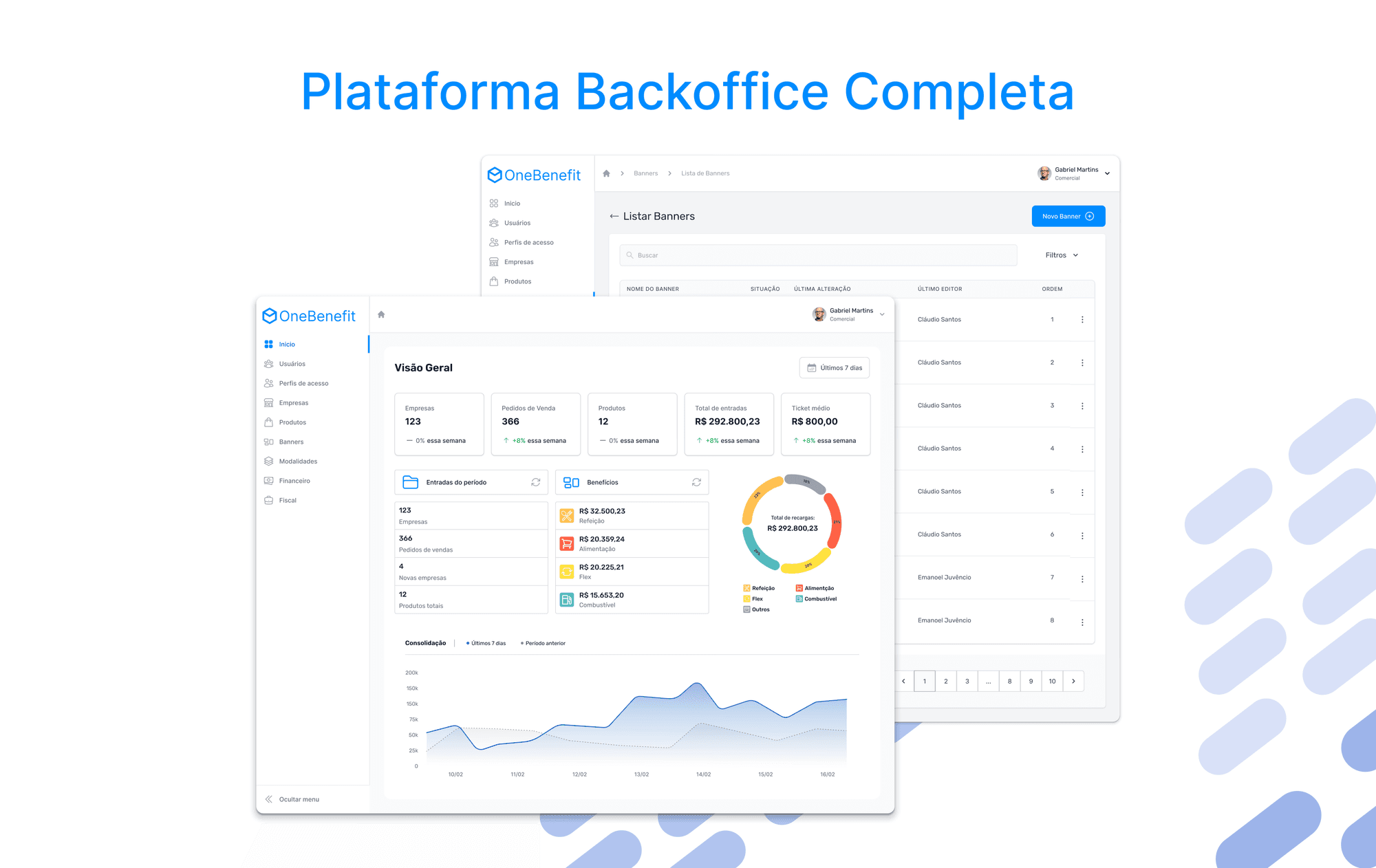
- Management backoffice: I built an admin panel for companies and managers to track users, transactions, benefits, permissions, and customizations in one place.
Results
- A scalable product, ready to serve multiple clients across the benefits sector.
- A significant cut in customization time for new contracts.
- Visual consistency maintained without locking down each brand's identity.
- Design and development working closer together, making the whole process faster.
"During the time we worked together, he was always committed, creative, and open to constructive feedback. He contributed a lot to the team, and to me personally, with quality work and real depth of knowledge."
THIAGO AMARAL · UX/UI DESIGNER
What I learned
This whitelabel project taught me that flexibility and modularity need to be part of the thinking from day one, not bolted on later. Staying close to development was what kept the components true to the design and technically feasible, and a solid design system was what let the product scale without losing quality.